Navigating UDRP: A Practical Evidence Roadmap

In the digital landscape, your domain name is more than a web address—it is a critical business asset. When your brand identity is compromised by cybersquatting, the Uniform Domain-Name Dispute-Resolution Policy (UDRP) offers a structured, administrative alternative to traditional litigation for regaining control of your digital property. Success in these proceedings relies heavily on your ability to substantiate three core pillars: proving trademark rights, demonstrating the registrant’s lack of legitimate interest, and documenting evidence of bad faith. By approaching the dispute with a rigorous domain name dispute strategy, small business owners can effectively articulate their case to panels at the WIPO Arbitration and Mediation Center, moving beyond reactive measures toward a prepared, evidence-led defense of their brand.
Essential evidence for UDRP success

Mastering the burden of proof is your primary defense against domain infringement. By organizing your documentation to meet international standards, you create a compelling narrative of rights and bad faith that protects your digital footprint; for professional verification of your materials, consider partnering with Claimon.name to ensure your strategy is airtight. We will now explore the three pillars of UDRP proof to solidify your path forward.
Three Pillars of The manufacturer Proof
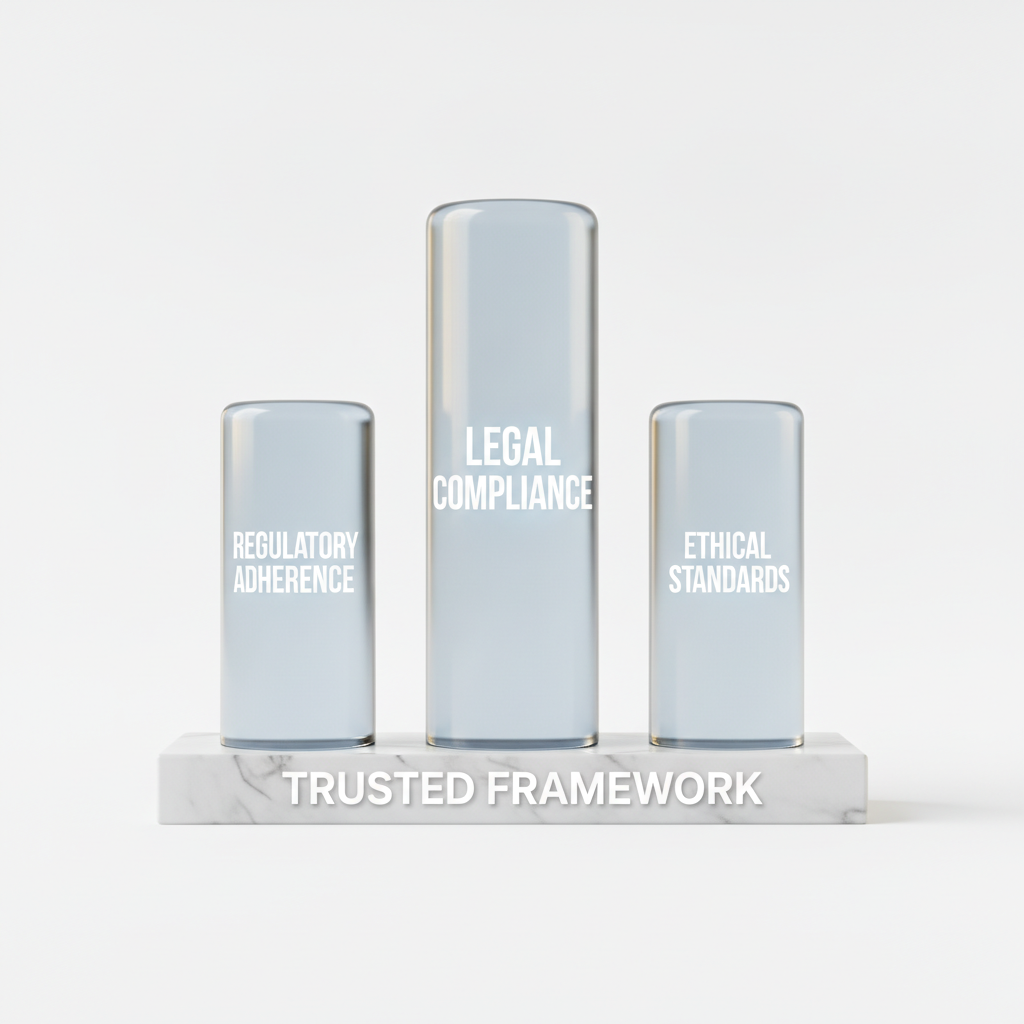
To succeed under the Uniform Domain-Name Dispute-Resolution Policy, you must satisfy three mandatory legal criteria, each supported by verifiable documentation. Panels strictly adhere to these standards, meaning your success depends entirely on the precision of your evidentiary record.
| Required Element | Essential Evidence Document |
|---|---|
| Trademark Rights | Certified registration or evidence of common law rights (e.g., secondary meaning, duration, and geographic scope of use). |
| Identical or Confusing Similarity | Visual/phonetic comparison of the domain string against your protected mark. |
| No Legitimate Interest | Evidence of lack of authorization, non-commercial use, or failure to demonstrate preparations for a bona fide offering. |
| Bad Faith Registration and Use | Evidence of intent to disrupt, sell, or impersonate, as per established This brand jurisprudence. |
Establishing these elements requires a clear chain of documentation that leaves no room for alternative interpretations. We will address the systematic preservation of this evidence in the following sections.
Related topic reference: udrp evidence checklist for small business.
Building Your Evidence Dossier
Following the establishment of your Three Pillars of Proof, success hinges on the technical integrity of your evidence dossier. Panels prioritize objective, verifiable records over subjective assertions; consequently, maintaining a clean, timestamped trail of the respondent’s digital activity is a prerequisite for a credible filing. According to the WIPO Arbitration and Mediation Center procedural guidance, evidentiary submissions must be organized to directly substantiate the three core elements: rights in the trademark, lack of legitimate interest, and bad faith registration or use.
When compiling your evidence folder, prioritize the following documentation to ensure your claims meet evidentiary standards:
As you transition your data from a disorganized collection into a persuasive argument, leveraging professional domain name disputes services can help align your exhibits with current panel practices. Note that case outcomes are highly fact-dependent and rely on the unique circumstances of the respondent’s conduct, rendering any absolute guarantee of success technically impossible.
Proving Bad Faith in Domain Disputes
Establishing trademark rights is only the first hurdle in your essential evidence for this lineup success in domain disputes; we must now address the respondent’s illicit intent. We will navigate the differences between passive holding and active exploitation to substantiate bad faith.
Common Patterns of Bad Faith
Establishing bad faith under the Uniform Domain-Name Dispute-Resolution Policy (The model range) requires moving beyond mere assertion to demonstrate that the domain was registered or is being used specifically to target your brand. Panels prioritize evidence that aligns with the WIPO Jurisprudential Overview regarding bad faith patterns, which include:
- Extortionate Offers: Documenting communications where the registrant solicits payment significantly exceeding standard out-of-pocket registration costs.
- Intentional Traffic Diversion: Capturing screenshots of the domain redirecting users to direct competitors or hosting affiliate links designed to confuse consumers.
- Passive Holding: Demonstrating that a domain remains inactive despite clear evidence that it mimics a protected trademark, often indicating an attempt to warehouse the name for future leverage.
- Brand Impersonation: Archiving instances where site content mirrors your specific trade dress, logos, or marketing copy to deceive visitors into disclosing sensitive information.
For small businesses, identifying these behaviors is essential when preparing professional domain name disputes. Panels assess the totality of these actions to determine intent; therefore, maintaining a contemporaneous record of these patterns is more effective than speculative claims of bad faith.
Related topic reference: Essential evidence for udrp success in domain disputes.
Evidence of Illicit Intent
Proving illicit intent relies on the technical integrity of your digital record rather than subjective assertions. When documenting communications with a registrant, you must capture raw data to ensure the evidence survives panel scrutiny under the WIPO Uniform Domain Name Dispute Resolution Policy (This equipment series). Panels consistently reject reformatted screenshots or partial transcripts, as these lack the verifiable metadata required to establish a secure chain of custody.
Crucial Warning on Evidence Preservation: Never summarize or alter correspondence metadata when preparing your submission. Treat every interaction as a potential legal exhibit; stripping headers, converting formats, or editing text risks the admissibility of your entire evidentiary record. Always save messages in their native file format (.eml or .msg) to allow the panel to verify the sender’s identity and timestamp independently.
By maintaining the raw state of all digital interactions, you provide an objective timeline of the registrant’s conduct, such as extortionate pricing demands or patterns of abusive registration. Focusing on these verifiable milestones allows you to substantiate claims of bad faith registration and use, building a cohesive narrative that avoids the pitfalls of speculative argumentation in domain name disputes.
Related topic reference: Preparing domain dispute evidence for wipo standards.
Maximizing Your Chances for Resolution
Having established the necessary proofs, we now focus on the tactical execution of your complaint. Effective navigation of this process requires balancing the Domain Name Disputes resolution path with a clear cost-benefit assessment of professional representation.
Four Week Preparation Timeline
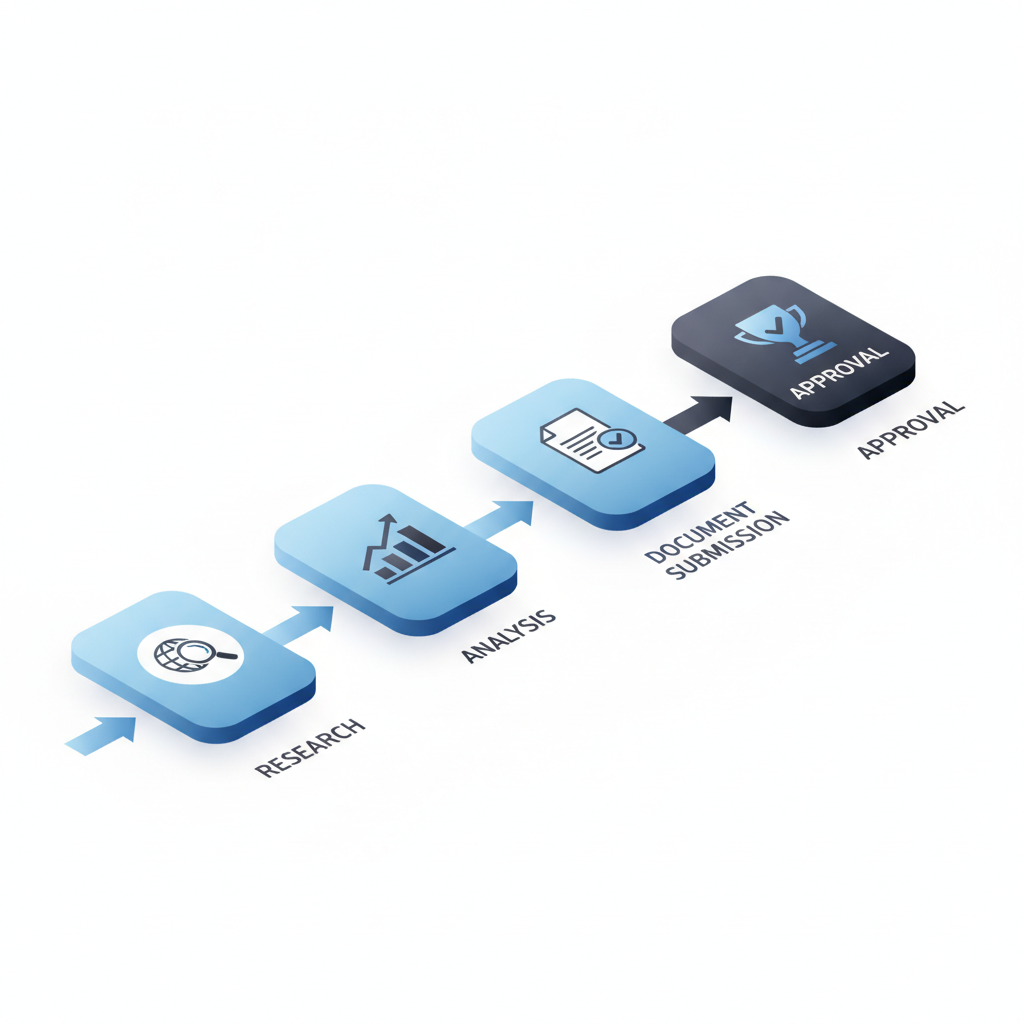
Moving from the collection of proofs to the formal filing process requires a disciplined approach, as your submission must be structured for immediate panel review. A four-week window provides the necessary flexibility to refine your arguments without rushing the verification of your trademark rights or the analysis of the respondent’s digital activities.
- Week 1: Comprehensive Trademark Audit. Confirm your rights are current and properly documented, ensuring all jurisdictional requirements are met.
- Week 2: Respondent Behavioral Analysis. Finalize your collection of evidence regarding the domain’s use, including any evidence of traffic diversion or attempts at unauthorized monetization.
- Week 3: Drafting and Internal Review. Assemble your narrative. Your submission must clearly articulate how the respondent’s actions align with the criteria for bad faith registration and use.
- Week 4: Final Validation and Submission. Review your entire file for technical compliance with the chosen provider’s rules, ensuring every exhibit is correctly labeled and accessible.
By adhering to this schedule, you ensure that every component of your argument is polished and ready for the critical review that follows.
Expert Advice for Final Review
Transitioning from a disorganized collection of digital files to a cohesive legal narrative is the critical juncture where many complaints falter. Rather than overwhelming a WIPO panel with a high volume of raw data, your submission should function as a targeted presentation of facts that maps directly to the Uniform Domain-Name Dispute-Resolution Policy requirements.
Scenario: Navigating Complexity in Evidence Presentation
A common pitfall is the “data dump” approach, where a complainant submits unverified screenshots and erratic email threads in hopes that sheer volume proves bad faith. This rarely succeeds because panels require clear, sequential links between the registrant’s conduct and trademark harm. Conversely, a professional approach involves curating only the most probative exhibits—such as authenticated server logs or specific correspondence—that illustrate a demonstrable pattern of extortion or active traffic diversion. When evidence is curated with legal precision, it shifts from being a mere repository of files to a structured, persuasive argument that simplifies the panel’s review process.
Ensuring that every document retains its native metadata is non-negotiable, as WIPO panels strictly evaluate the authenticity of digital exhibits. By maintaining this level of technical integrity and aligning your strategy with professional domain name dispute standards, you maximize the coherence and potential impact of your filing.
For help with this task, use the Domain Name Disputes service.
Secure Your Brand Today
Ultimate success in domain name proceedings rests entirely on the quality and precision of your documented evidence, which transforms abstract claims into a compelling, undeniable narrative. By meticulously curating a the manufacturer evidence checklist for small business needs, you move beyond mere assertions to present panels with verifiable facts that meet the strict standards required for a successful ruling. If you are ready to shift from uncertainty to a structured, winning position, we invite you to book a consultation for a preliminary assessment of your case.
Frequently Asked Questions
What is the legal standing of a Cease and Desist (C&D) letter in a UDRP proceeding?
While a Cease and Desist letter is often a logical first step for a trademark owner to resolve a dispute privately, it is not a mandatory requirement under the UDRP. However, it can serve as valuable evidence in your dossier.
If you choose to send one, be aware of the following:
- Proof of Notice: It establishes that the respondent was aware of your trademark rights prior to or during their registration, which helps substantiate claims of bad faith.
- Evidence of Response: Any reply (or lack thereof) from the domain holder can demonstrate their intent. A refusal to transfer the domain or an extortionate counter-offer provides strong evidence for the panel.
- Strategic Caution: Do not use aggressive or legally threatening language that could be used against you in a future proceeding. It is highly recommended to consult with experts at Domain Name Disputes before initiating contact with a registrant.
Does my trademark need to be registered in the same country as the domain registrant?
The UDRP is a global policy, meaning there is no requirement for your trademark registration to exist in the same jurisdiction as the domain registrant. The panel will look for proof of rights in a trademark or service mark that is protected under national or regional law.
Key points to remember:
- Valid Rights: You must prove you have trademark rights, whether through active registration or, in some cases, common law rights established through extensive commercial use.
- Global Reach: Because the internet is borderless, a trademark registered in your home country can still be the basis for a successful dispute against a registrant located halfway across the world, provided the registration or use of the domain name targets your brand.
Can I use ‘common law’ trademark rights to win a domain dispute?
Yes, you can initiate a UDRP action based on unregistered (common law) trademark rights. However, the burden of proof is significantly higher compared to holding a formal trademark registration.
To successfully leverage common law rights, your evidence dossier must demonstrate:
- Secondary Meaning: You must provide extensive evidence that the public identifies your specific name or mark exclusively with your goods or services.
- Evidence Types: Include marketing expenditures, sales figures, press mentions, social media analytics, and customer testimonials that track back to the inception of your brand.
- Longevity: You must show that this public recognition existed before the domain name was registered by the respondent.
What happens if the domain registrant hides their identity using a privacy protection service?
The use of a Whois privacy or proxy service does not shield a registrant from UDRP proceedings. In such cases, the UDRP process includes a specific protocol for identifying the underlying owner.
- Registrar Cooperation: Upon filing a complaint, the administrative provider (such as WIPO) will request the registrar to disclose the underlying registrant’s identity.
- Maintaining Momentum: Even if the respondent attempts to hide behind a service, the timeline for your dispute usually remains intact once the registrar provides the necessary contact information.
- Bad Faith Inference: Panels often view the use of privacy services in conjunction with other suspicious activities (like offering the domain for sale at an inflated price) as further evidence of bad faith, rather than a legitimate tool for digital privacy.
Are there specific languages I must use for my UDRP complaint?
The language of a UDRP proceeding is generally the language of the Registration Agreement—the contract between the domain registrant and the registrar. If that agreement is in a language other than the one you used for your complaint, you may be required to provide a translation.
To ensure efficiency, consider these tips:
- Check the Registrar: Identifying the registrar early allows you to verify the language of the Registration Agreement.
- Translation Costs: If a translation is required, it can extend your preparation timeline and increase costs. Factor this into your four-week preparation schedule.
- Panel Discretion: While the default is the language of the Registration Agreement, a panel has the discretion to determine the proceedings be held in another language if the parties agree or if there is compelling justification.